We talk about prevention, we talk about reporting, and we talk about supporting survivors with resources, but what we don’t often talk about is what it looks like for athletes after they have experienced and spoken up against abuse, grooming, and misconduct in their respective sports.
The gut-wrenching experience is not over after the victim has reported a crime. One of the most painful experiences is what follows after reporting the experience – the aftermath.
Here is just a glimpse…
Afghanistan: Refugee Afghan players struggled to keep their heads up due to the lack of action taken by FIFA after reporting the national football president of the country for abuse and threats.
USA: Aly Raisman, frustrated with the victim-blaming and shaming, tweeted about a recent encounter she faced. She was questioned whether gymnasts should continue wearing leotards. “Leotards r not the problem”.
India: Sakshi Malik, one of India’s top wrestlers, led protests against the former chief of the Wrestling Federation of India, who was accused of sexually abusing female athletes. She recently announced that she is quitting the sport due to the corrupt system and leniency towards perpetrators of sexual abuse.
Spain: The Women’s football team announced that they refuse to play and will boycott the World Cup games till the chief of the Spanish Football Federation coach is removed for kissing a player on the team without consent.
Mexico: Azul Almazàn, a diver for the Mexican Olympic Team at the 2000 Sydney Games, was abused by her coach at the age of 19 in 2001. During this time, she wrote a letter titled “I accuse” to voice her anguish and reveal all that she had to endure under her coach, which she had reported to the authorities. But her case was archived until 2018.
The aftermath of reporting abuse in sports often unearths the harsh reality that survivors face – public stigma, systemic failures, career setbacks, trauma and stress, and a hindrance to performance.
Public stigma and ineffective action against the perpetrator
As seen with Raisman and the Afghanistan players, often, the victim may be blamed and shamed for reporting the incident, even though it was not the victim’s fault that they wore a swimsuit or leotard as required by their sport or were caught in a grooming cycle. They are already struggling to recount the story multiple times, to prove their truth, and rise from the trauma. Respect them for their bravery and their process. Every survivor has a different case, a different story, and a different outcome. The blame or shame will not help arrest the abuser, nor will it help promote a safe sporting environment.
The victim may be shunned by their teammates or the sporting community and have to return to the sport in the presence of their abuser. Statistically, in the USA, only 25 perpetrators per 1000 face the consequences in the judicial system. This suggests that most abusers are back in the sporting environment, free to continue with their lives, while the victim has to return to a toxic sporting environment. Very often in sporting environments, abuse extends to multiple athletes. The victim might experience severe fear, isolation, retaliation, and backlash from teammates and the sporting community for reporting and “causing havoc” for a “renowned” individual and disrupting the system established by the abuser.
Trauma and Stress
Sakshi Malik, Azul Almazà, and many others are examples of victims who are unable to return to their sport during the case, or even quit the sport due to the trauma and burden. This includes the stress of the reporting process and investigations, as well as the abuse itself. Every victim responds to the trauma differently – many experience mood changes, behavioral disruptions, PTSD, anxiety, panic attacks, physical concerns, depression, suicidal thoughts, and much more. Their will to play, motivation in the game, and overall performance can drastically reduce, causing them to take a long hiatus or quit the sport.
Career Setbacks
As discussed above, the mere act of reporting abuse or misconduct can cause tremendous damage to an athlete’s career. For example, a few cricketers in Kerala, India, lost their dreams of playing cricket at a higher level for siding with a victim and reporting the coach to the Kerala Cricket Association. They lost out on their opportunities as coaches refused to train them. The athlete may also be under scrutiny from sporting bodies and teams, preventing them from participating in competitions during the investigation. Additionally, in certain cases, athletes also lose support, such as sponsorship and endorsements, when their case is being investigated, as sponsors do not want to be associated with any legal actions or controversies.
Hindering Performance
The scrutiny under the public eye is also harmful to performance levels and mental conditioning. Athletes can be stressed about the case, concerned about losing support, stopped from coaching and training any further, and also asked to stop playing until the case is resolved at times. This negatively impacts their performance and prevents them from playing to their fullest capabilities.
So the next time you find yourself dissecting someone’s truth, performing a character assassination on the victim, or simply giving a judgment on the case, stop for a minute and remember these consequences victims face. Learn how to best support victims of abuse and misconduct.
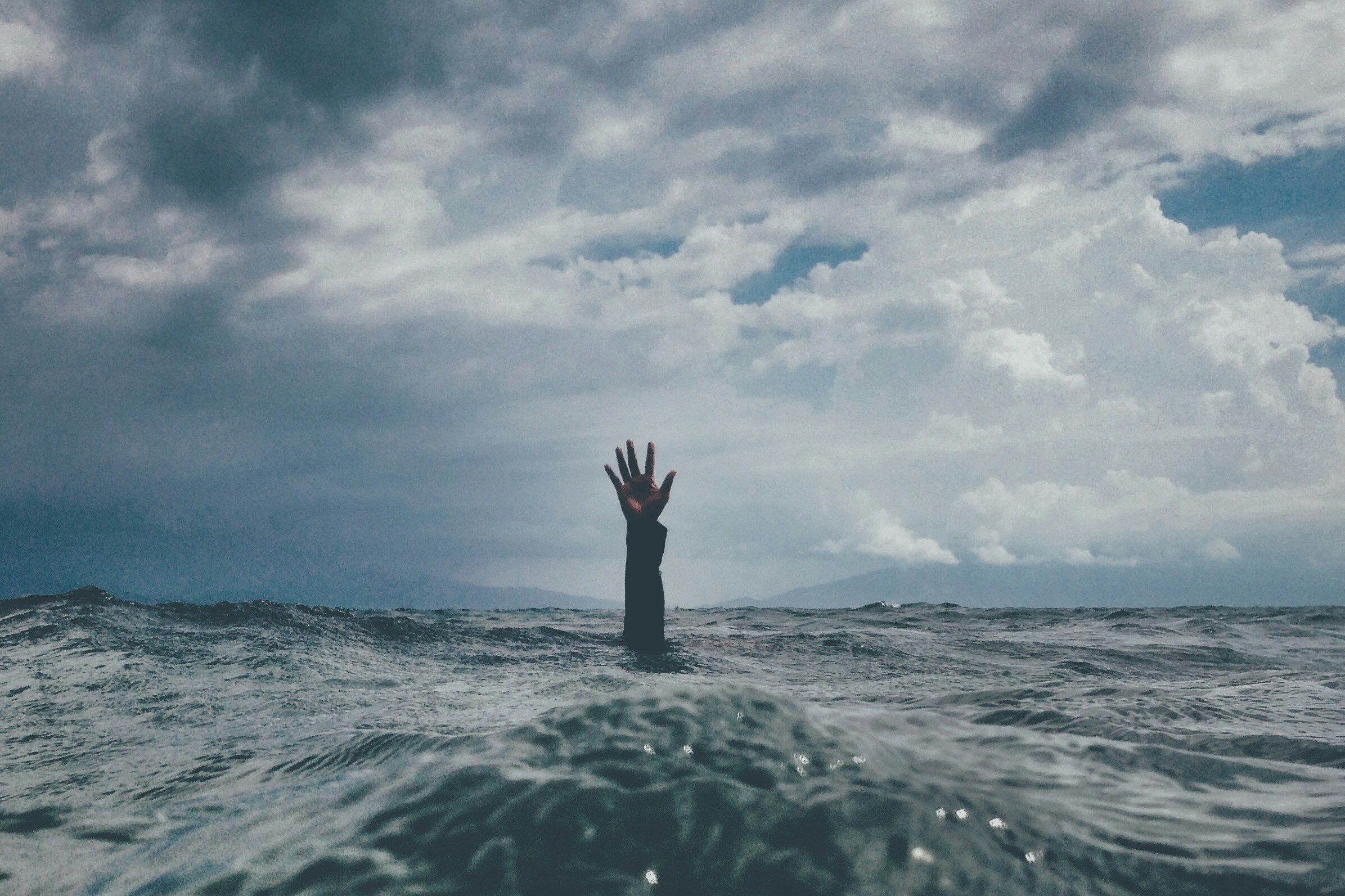
It is not easy to survive the incident, and it is also not easy to survive the aftermath.
For additional information and support, please visit our resources, current events, and blog.
Stuti Daga
NYU Student
info@weridetogether.today